Resources
Voice AI resources
Articles and free tools for teams that build or run AI phone agents. The calling-rules table covers 18 countries, and the call scripts are written in 6 languages.
Blog
Latest articles
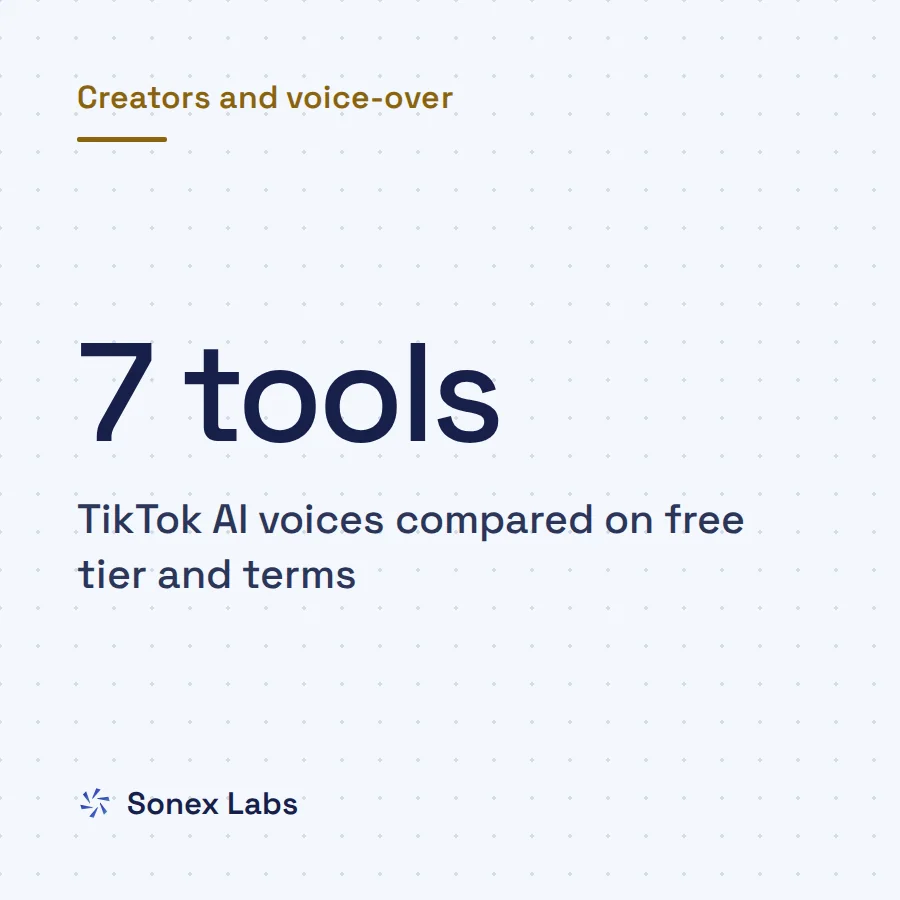
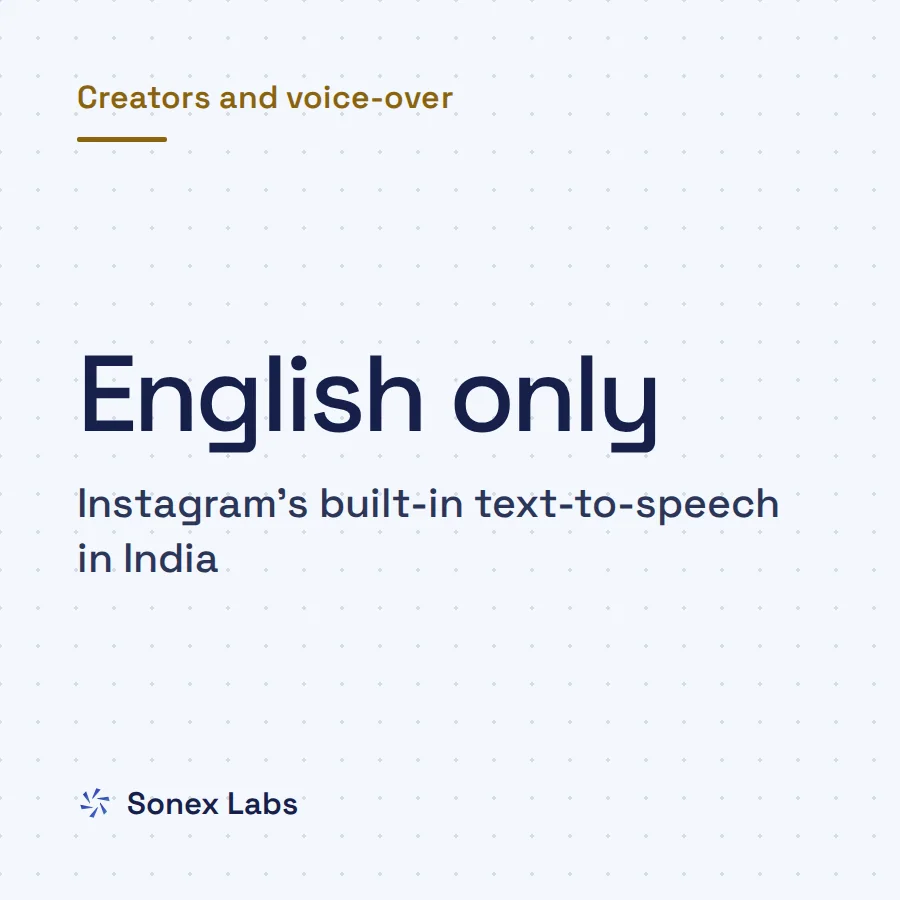
Instagram Reels ke liye best Hindi AI voice: 2026 mein kya kaam karta hai
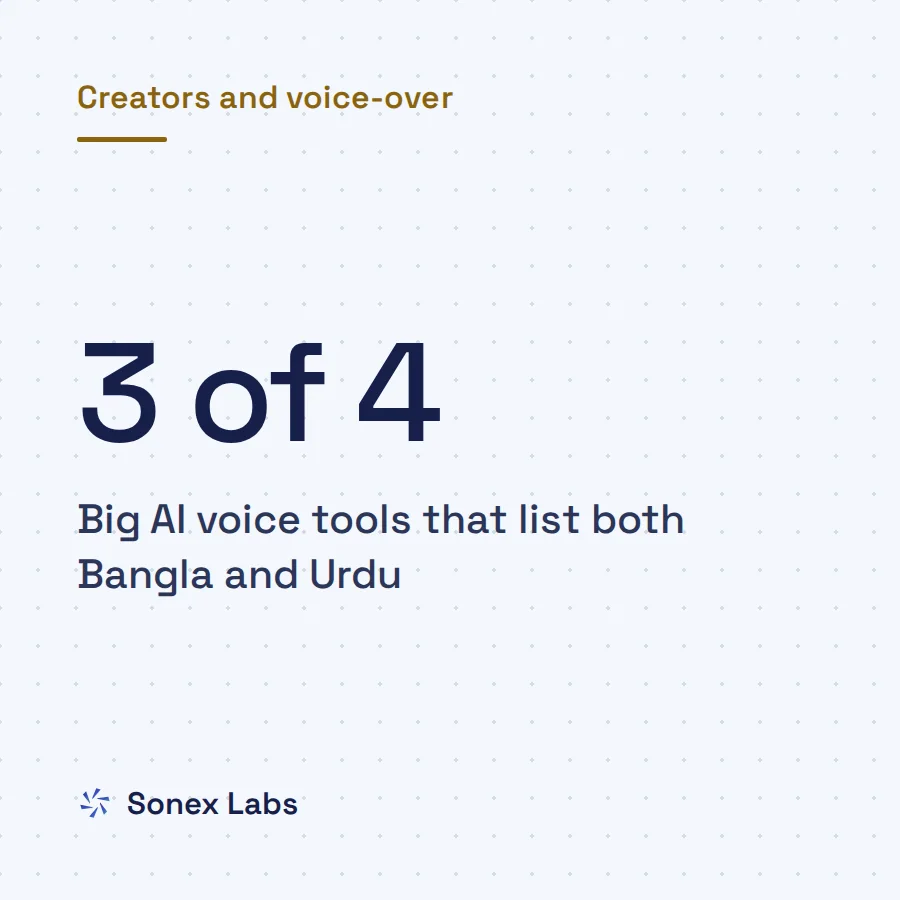
The best Bangla and Urdu AI voices for TikTok and Reels in 2026
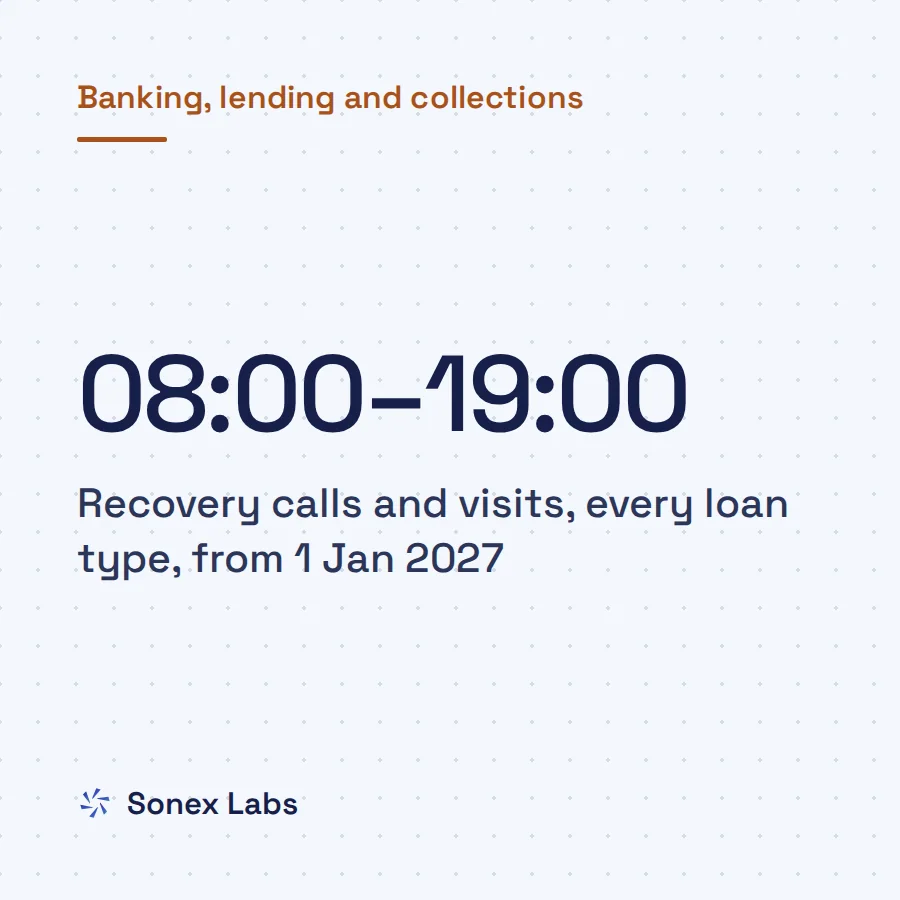
RBI recovery agent rules from 1 January 2027: calling hours, call recording and complaints
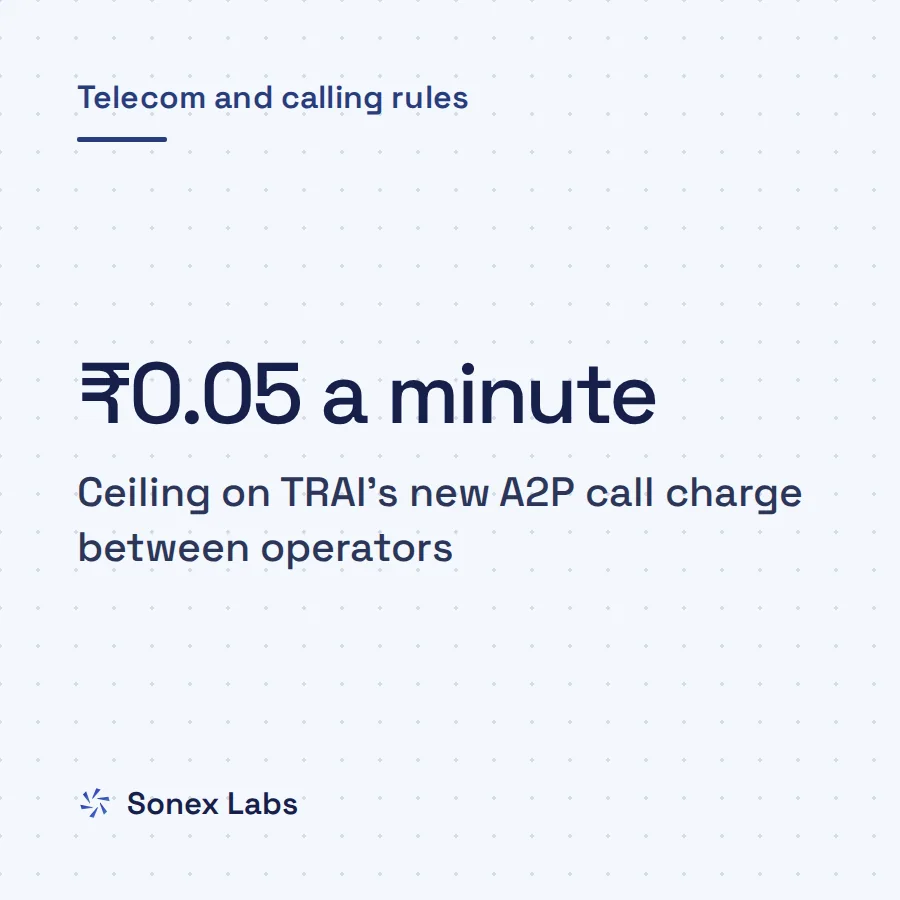
TRAI new rules 2026: what changes for AI and automated calls
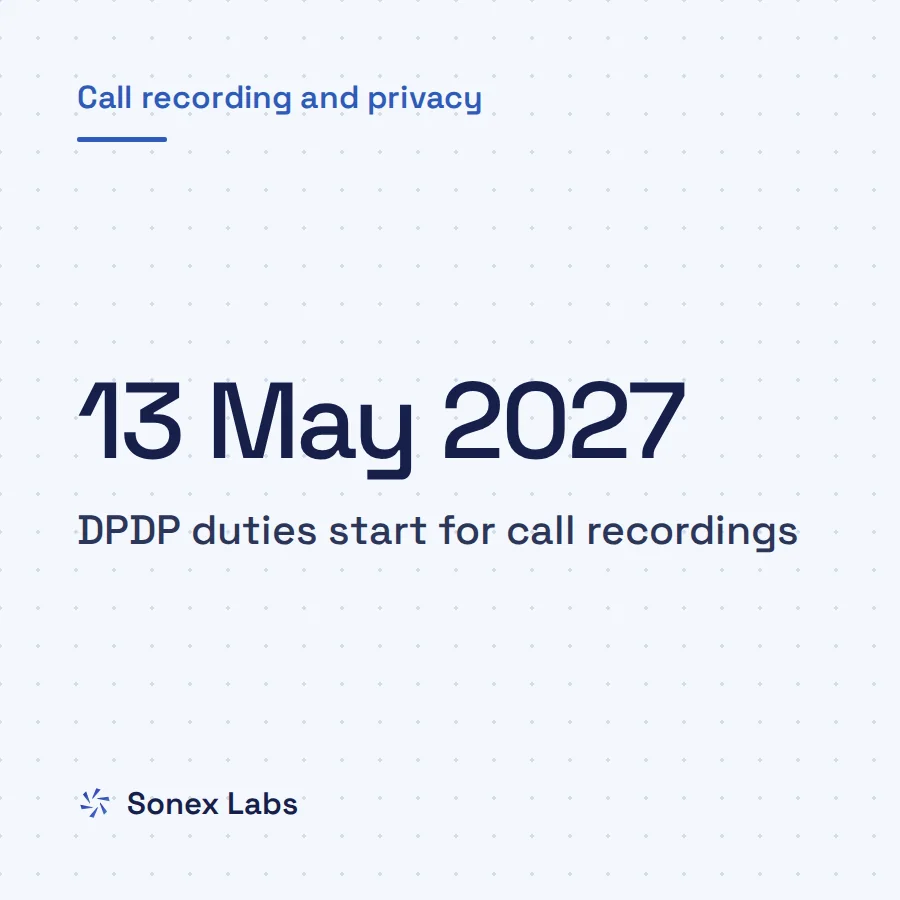
DPDP Rules 2025 and call recordings: what applies, and from when
Free tools
Compliance and cost tools
- India calling rules trackerChanges to India's rules for business and AI phone calls since 2024, each dated and linked to the official text.
- TRAI number series picker (140, 1600, 1601)Choose your sector and call purpose to see whether your calls must come from TRAI's 140, 1600 or 1601 series, and by what date.
- AI calling rules by countryThe rules for AI and automated calls in 18 countries, with a check of whether the calling hours allow a call now.
- AI disclosure scripts and recording noticesOpening lines that tell the person on the call they are speaking with an AI and that the call is recorded, in 35 languages.
- AI voice vendor due-diligence questionnaire67 questions for vendor-risk teams at regulated financial firms in India, each mapped to the regulation behind it.
- AI calling agent cost calculator for IndiaThe per-minute and monthly cost of an AI calling agent in India, in rupees and dollars, compared with telecaller salaries.
Comparisons
Voice AI provider comparisons
- Sonex Labs vs Sarvam AI: which fits your Indian voice product?Sonex Labs covers 250+ languages at one rate, including Indian dialects such as Bhojpuri, Marwari and Maithili, and its agent price includes telephony on Sonex numbers. Sarvam charges less per character on Bulbul V4 Flash for the major Indian languages, its agents cost less per minute, and its agent price includes the language model.
- ElevenLabs alternative for Indian languages, phone calls and volume: Sonex Labs comparedSonex Labs is a voice platform for calls in 250+ languages, including Indian dialects such as Bhojpuri, Marwari and Maithili, at one rate of $0.03125 per 1,000 characters for every language. ElevenLabs leads on expressive narration, published latency and studio tooling for media work.
- Sarvam vs ElevenLabs vs Sonex Labs for Indian-language text to speechSonex Labs' Pāṇini speaks 250+ languages at one rate, including Indian dialects such as Bhojpuri, Marwari, Garhwali and Maithili that neither Sarvam nor ElevenLabs lists. Sarvam's Bulbul V4 Flash is cheaper per character for the major Indian languages, and ElevenLabs publishes the most quality and latency evidence.
- Cartesia alternative: Sonex Labs vs Cartesia for multilingual voice agentsSonex Labs runs voice agents and speech APIs across 250+ text-to-speech languages and 100+ speech-to-text languages, with agents at $0.055 a minute including telephony on Sonex numbers. Cartesia publishes a faster time to first audio, under 90 ms, across its 44 languages, and documents more of its procurement terms.
- Sonex Labs vs Deepgram: which fits a team that needs Indian languages in both directions? (2026)Sonex Labs is one provider for speech to text, text to speech and phone agents, with voices in more than 250 languages, including Indian dialects such as Bhojpuri and Maithili, and telephony included in a $0.055 a minute agent rate. Deepgram is a strong option for English-first transcription, where its current promotional rate is slightly lower and it publishes accuracy benchmarks.
- Sonex Labs vs Vapi: what a voice agent really costs, and where each one fits (2026)Sonex Labs runs phone voice agents on one per-minute rate with speech and telephony on Sonex numbers included: about $505 for 10,000 minutes against about $881 for a comparable Vapi stack, with 250+ languages. Vapi's strength is letting developers pick and tune each speech and model provider themselves, with published concurrency, SLA and HIPAA terms.
- Sonex Labs vs Retell AI: builder, cost and language coverage compared (2026)Sonex Labs runs phone voice agents on one per-minute rate with speech and telephony on Sonex numbers included: about $505 for 10,000 minutes against about $852 on Retell AI, with 250+ languages. Retell's strengths are a visual drag-and-drop builder, 20 concurrent calls included, a longer integrations list and published compliance claims.
- Smallest.ai vs Sonex Labs: languages, accuracy evidence and real monthly cost (2026)Sonex Labs runs phone agents, speech to text and text to speech, with voices in more than 250 languages, including Indian dialects such as Bhojpuri, Marwari and Maithili, at $0.055 a minute for an agent with telephony on Sonex numbers included. Smallest.ai packages more agent add-ons, such as a knowledge base and PII removal, publishes an English transcription benchmark and includes 20 concurrent calls on pay as you go.
- TTSMaker alternative for Hindi and regional voice-overs: Sonex Labs comparedTTSMaker gives far more free text, 20,000 characters every week, plus more audio controls and cheaper plans at high volume. Sonex Labs has native voices for Bhojpuri, Marwari and Maithili, a Hinglish voice set, and a voice clone that speaks every language it supports.
Templates
Call-script and voice-over templates
- EMI Reminder call scriptRemind a borrower of an upcoming EMI before the due date, and confirm how they will pay.
- Collections (Overdue Payment) call scriptContact a borrower whose payment is overdue, respectfully, and agree a date or plan to pay.
- KYC Verification call scriptConfirm a customer's details for KYC and tell them what is still needed, without asking for secrets.
- COD Order Confirmation call scriptConfirm a cash-on-delivery order before it ships, to cut returns from orders nobody meant to place.
- Appointment Booking call scriptBook, confirm or reschedule a clinic or service appointment in the caller's language.
- Insurance Renewal call scriptRemind a policyholder that a policy is due for renewal and help them renew before it lapses.
- Lead Qualification call scriptCall a new enquiry within minutes, ask three qualifying questions and book the next step.
- Failed Delivery (NDR) Follow-up call scriptReach a customer after a failed delivery attempt, find out why, and fix the address or slot.
- Hindi voice over scripts34 Hindi scripts in 11 groups by use, each with its word count and spoken length. Each one plays in a Hindi AI voice.
Voice samples
Text-to-speech samples by language
- Hindi text to speechPāṇini TTS reads Hindi in natural, conversational voices, including the English words Hindi speakers mix in every day.
- Hinglish text to speechType Hinglish the way your customers write it, Romanised Hindi or Hindi mixed with English, and hear it in one natural Hindi voice.
- Tamil text to speechPāṇini TTS speaks Tamil in a natural spoken register, the way people talk on the phone, and handles Tanglish, Tamil mixed with English.
- Bengali text to speechPāṇini TTS speaks Bengali naturally in the Bangla script, including the English words Bengali speakers use in everyday messages.
- Odia text to speechPāṇini TTS reads Odia in its own script with a native Odia voice, for calls, content and apps aimed at Odisha.
- Bhojpuri text to speechPāṇini TTS speaks Bhojpuri with a native Bhojpuri voice, not Hindi with Bhojpuri words, for calls and content aimed at Bihar and eastern Uttar Pradesh.
- Marwari text to speechPāṇini TTS speaks Marwari with a native Marwari voice, for customers in western Rajasthan and Marwari-speaking families everywhere.
- Haryanvi text to speechPāṇini TTS speaks Haryanvi with a native Haryanvi voice, for calls and content that should sound like Haryana, not textbook Hindi.
- Maithili text to speechPāṇini TTS speaks Maithili with a native Maithili voice, for the Mithila region of Bihar and Nepal.
- Garhwali text to speechPāṇini TTS reads Garhwali text, for messages and content aimed at the hills of Uttarakhand.
- Algerian Arabic text to speechPāṇini TTS reads Algerian Darja in Arabic script, French loanwords included; the samples on this page are read by Tariq, an Arabic voice.
- Amharic text to speechPāṇini TTS reads Amharic in the Ge'ez script, and reads Ethiopian times and dates as you write them.
- Arabic (Modern Standard Arabic) text to speechPāṇini TTS reads Modern Standard Arabic in Arabic script, with or without diacritics, and the samples on this page are read by Nour, an Arabic platform voice.
- Assamese text to speechPāṇini TTS reads Assamese in its own script with a native Assamese voice, Dipannita, for calls and content aimed at Assam and the North East.
- Braj text to speechPāṇini TTS speaks Braj with a native Braj voice, for Mathura, Vrindavan, Agra and the pilgrims and families who know the language.
- Bundeli text to speechPāṇini TTS speaks Bundeli with a native Bundeli voice, for Bundelkhand on both sides of the Uttar Pradesh and Madhya Pradesh border.
- Cantonese text to speechPāṇini TTS takes Cantonese written the way Hong Kong people type it, in Traditional characters with colloquial forms like 係, 唔 and 嘅; there is no native Cantonese voice yet, so the samples are read by Xiǎoyàn, a Mandarin voice.
- Chhattisgarhi text to speechPāṇini TTS speaks Chhattisgarhi with a native Chhattisgarhi voice, for customers and citizens across Chhattisgarh.
- Egyptian Arabic text to speechPāṇini TTS reads Egyptian Arabic, the Cairo Arabic most Arabic speakers recognise, in Arabic script; the samples on this page are read by Tariq, an Arabic voice.
- English text to speechPāṇini TTS speaks English in natural, conversational voices, and the same voice can carry on in any of the 250+ languages Pāṇini TTS speaks, at the same price.
- Filipino (Tagalog) text to speechPāṇini TTS speaks Filipino and Taglish, the everyday mix of Tagalog and English, in one voice, so call scripts can be sent exactly as Filipinos write and say them.
- French text to speechPāṇini TTS speaks French for customers in France, Canada, and West and North Africa, with the same voice and price as every other language.
- German text to speechPāṇini TTS speaks German for customers in Germany, Austria and Switzerland, with the same voice and price as every other language.
- Gujarati text to speechPāṇini TTS reads Gujarati in its own script with a native Gujarati voice, Kinjal, for calls and content aimed at Gujarat and Gujaratis abroad.
- Gulf Arabic (Khaleeji) text to speechPāṇini TTS reads Gulf Arabic as it is written in customer messages, in Arabic script, and the samples on this page are read by Tariq, an Arabic voice.
- Hausa text to speechPāṇini TTS reads Hausa in boko, the Latin spelling used in everyday messages, with the hooked letters that set Hausa sounds apart.
- Hebrew text to speechPāṇini TTS reads Hebrew from ordinary unpointed text, right to left, with numbers and English words left to right inside it, in the casual register Israelis use on the phone.
- Indian English text to speechPāṇini TTS speaks English with a natural Indian accent, so calls, apps and videos sound the way your customers in India actually speak.
- Indonesian text to speechPāṇini TTS reads Indonesian in the relaxed, polite register customers hear from a good support agent, including the English and app words that fill Indonesian order and payment messages.
- Iraqi (Mesopotamian) Arabic text to speechPāṇini TTS reads Iraqi Arabic, the dialect of Baghdad and Basra, in Arabic script; the samples on this page are read by Tariq, an Arabic voice.
- Italian text to speechPāṇini TTS speaks Italian for customers in Italy and Switzerland, in the same voice and at the same price as every other language.
- Japanese text to speechPāṇini TTS reads Japanese written in its usual mix of kanji, hiragana and katakana, in the polite keigo a customer expects, with Mei, a native Japanese voice.
- Kannada text to speechPāṇini TTS speaks Kannada in its own script with a native Kannada voice, Mitaali, in the spoken register used on calls in Bengaluru and across Karnataka.
- Korean text to speechPāṇini TTS reads Korean Hangul in the polite speech levels Korean customer service relies on, with Taeyang, a native Korean voice.
- Levantine Arabic text to speechPāṇini TTS reads Levantine Arabic, the dialect of Damascus, Beirut, Amman and Jerusalem, in Arabic script; the samples on this page are read by Nour, an Arabic voice.
- Malayalam text to speechPāṇini TTS reads Malayalam in its own script with a native Malayalam voice, Vani, for calls and content aimed at Kerala and Malayalis abroad.
- Malay text to speechPāṇini TTS reads Malay as it is spoken in Malaysia, Brunei and Singapore, including the English words that Malaysians drop into nearly every customer conversation.
- Mandarin Chinese text to speechPāṇini TTS speaks Mandarin Chinese from Simplified or Traditional characters, with its four tones and neutral tone, in the voice of Xiǎoyàn, a native Mandarin speaker.
- Marathi text to speechPāṇini TTS speaks Marathi with a native Marathi voice, Rujuta, in the everyday register of Mumbai, Pune and the rest of Maharashtra.
- Moroccan Arabic (Darija) text to speechPāṇini TTS reads Moroccan Darija in Arabic script, including the French words Moroccans mix into it; the samples on this page are read by Nour, an Arabic voice.
- Najdi Arabic text to speechPāṇini TTS reads Najdi Arabic, the everyday Arabic of Riyadh and central Saudi Arabia, in Arabic script; the samples on this page are read by Nour, an Arabic voice.
- Nepali text to speechPāṇini TTS reads Nepali in Devanagari, for customers in Sikkim and the Darjeeling hills as well as in Nepal.
- Persian (Farsi) text to speechPāṇini TTS reads Persian in its own script and in the spoken register people use on the phone, not the formal Persian of the news.
- Portuguese text to speechPāṇini TTS speaks Portuguese for customers in Brazil and Portugal, at the same price and with the same voice you use in every other language.
- Punjabi text to speechPāṇini TTS speaks Punjabi in Gurmukhi with a native Punjabi voice, Veer, for calls and content aimed at Punjab and Punjabis abroad.
- Russian text to speechPāṇini TTS reads Russian in Cyrillic, for customers across Russia and for the Russian-speaking markets of Central Asia and beyond.
- Sanskrit text to speechPāṇini TTS reads Sanskrit in Devanagari with a native Sanskrit voice, for learning, recitation and spoken-Sanskrit content.
- Sindhi text to speechPāṇini TTS reads Sindhi in Perso-Arabic script, for Sindhi families and businesses in India, Pakistan and the diaspora.
- Sinhala text to speechPāṇini TTS reads Sinhala in its own script and in the spoken style Sri Lankans use on calls, including the English words they mix into nearly every sentence.
- Spanish text to speechPāṇini TTS speaks Spanish for customers in Spain and across Latin America, and reads Spanglish in one voice.
- Sudanese Arabic text to speechPāṇini TTS reads Sudanese Arabic, the Arabic of Khartoum and the Nile valley, in Arabic script; the samples on this page are read by Nour, an Arabic voice.
- Swahili text to speechPāṇini TTS reads Swahili as East Africans speak it, including Swahili time-telling and the English words that fill everyday customer messages.
- Telugu text to speechPāṇini TTS speaks Telugu in its own script with a native Telugu voice, Ananya, in the mix of Telugu and English that people actually use on calls.
- Thai text to speechPāṇini TTS reads Thai script, with its unspaced words and five tones, and reads the polite particles ค่ะ, คะ and ครับ exactly as you write them, the way Thai customer service uses them.
- Tunisian Arabic text to speechPāṇini TTS reads Tunisian Derja in Arabic script, including the French words Tunisians use every day; the samples on this page are read by Nour, an Arabic voice.
- Turkish text to speechPāṇini TTS reads Turkish with its full alphabet, both i's included, for order, bank and appointment calls in Turkey and across the Turkish diaspora.
- Urdu text to speechPāṇini TTS reads Urdu in the Perso-Arabic script; any Sonex Labs voice can speak it, and the samples on this page are read by Alok, a Hindi voice.
- Vietnamese text to speechPāṇini TTS speaks Vietnamese with its tones intact, reading the diacritics in Chữ Quốc ngữ so that ma, má and mã come out as different words.
Free tier and pricing
10,000 free text-to-speech characters and one free voice clone that speaks every language, no card required. Text to speech after that is $0.03125 per 1,000 characters, the same rate for every language.