Indian language speech
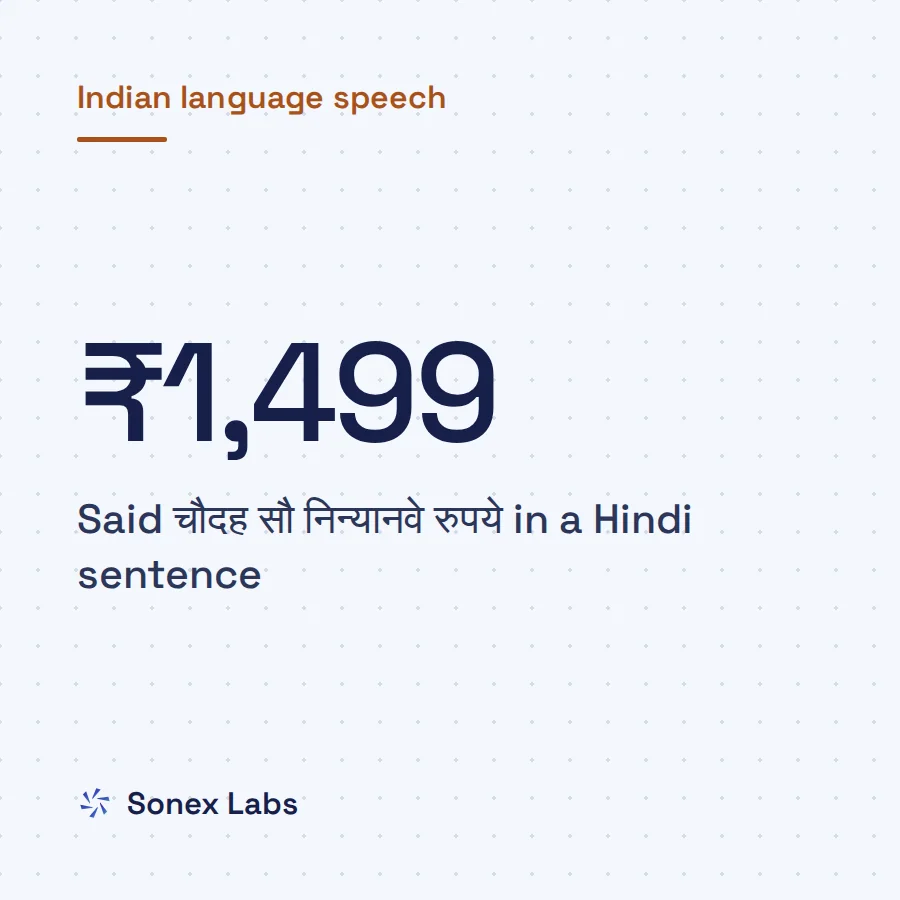
Indian languages break speech systems in specific ways: ₹1,499 read as English number words, Hinglish written in two scripts, lakh and crore, OTPs read as one long number. Most fixes start in the text you send the voice and in how you test, not in the choice of engine. Most guides include audio from Pāṇini TTS, so you can hear what correct output sounds like.
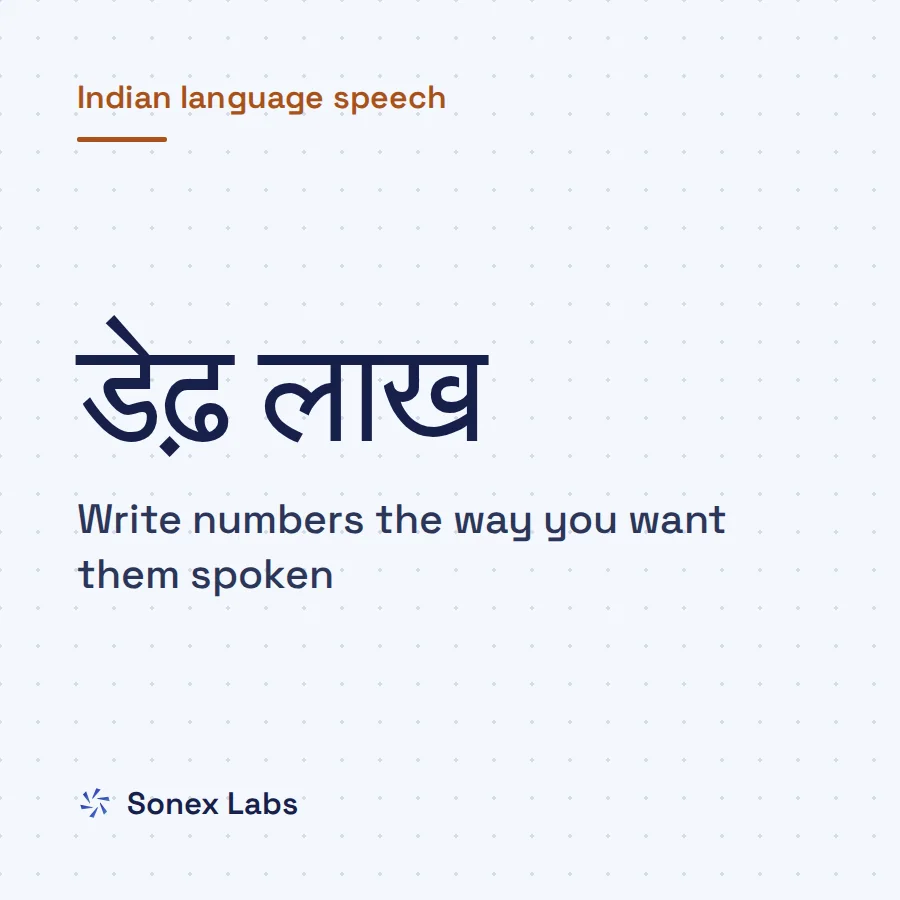
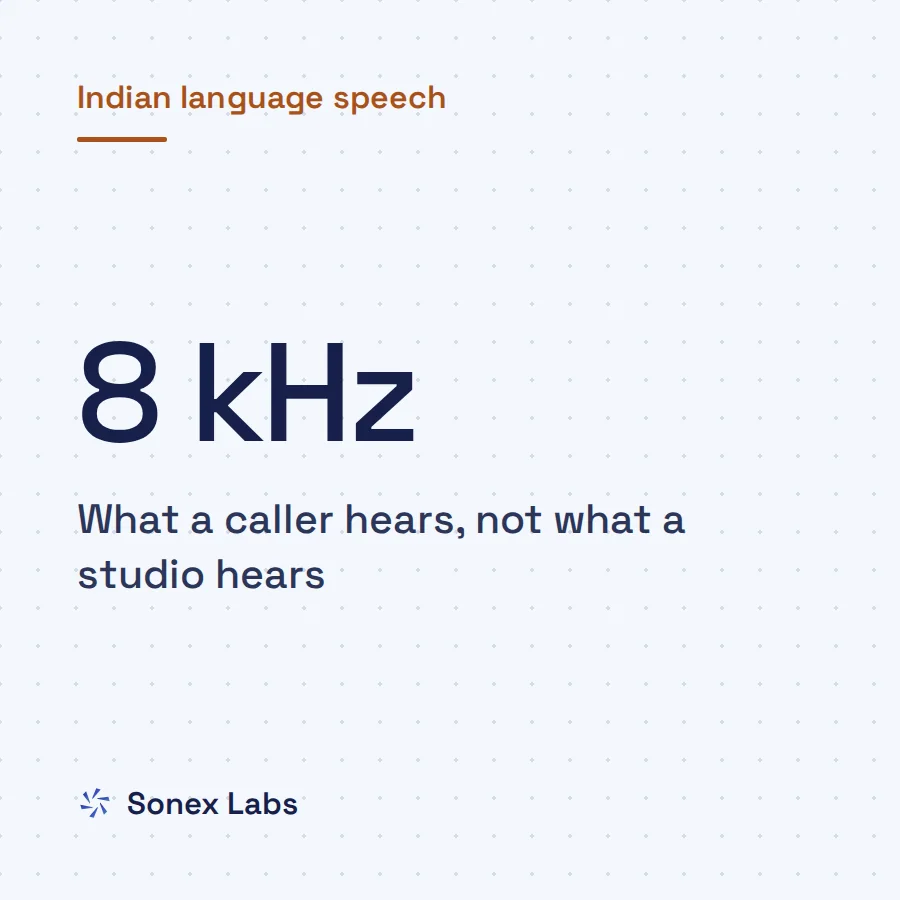
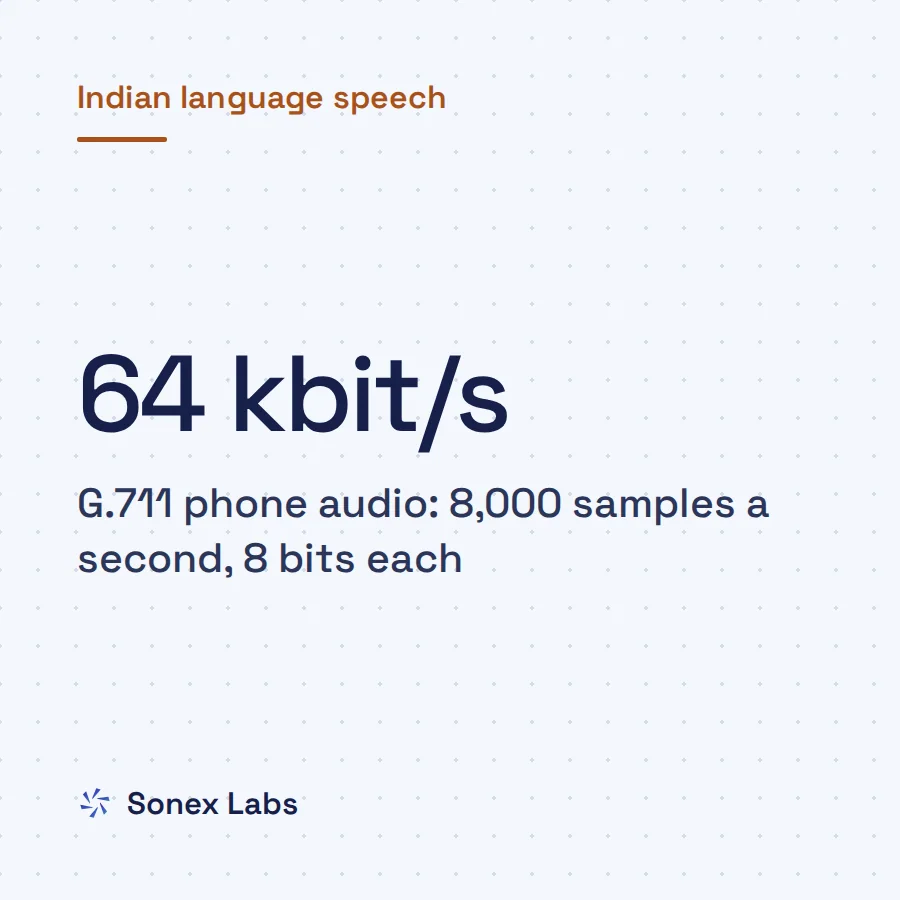
For text to speech, begin with Hindi numbers, rupees, lakh and crore: write amounts the way a Hindi speaker says them and read OTPs one digit at a time, either in the text or in a small conversion step just before the voice. Hinglish text to speech applies the same idea to mixed scripts, with Hindi in Devanagari and English words and brand names in Latin letters. IVR prompts with TTS shows how to render Hindi and regional prompts at 8 kHz in the file formats IVR platforms expect.
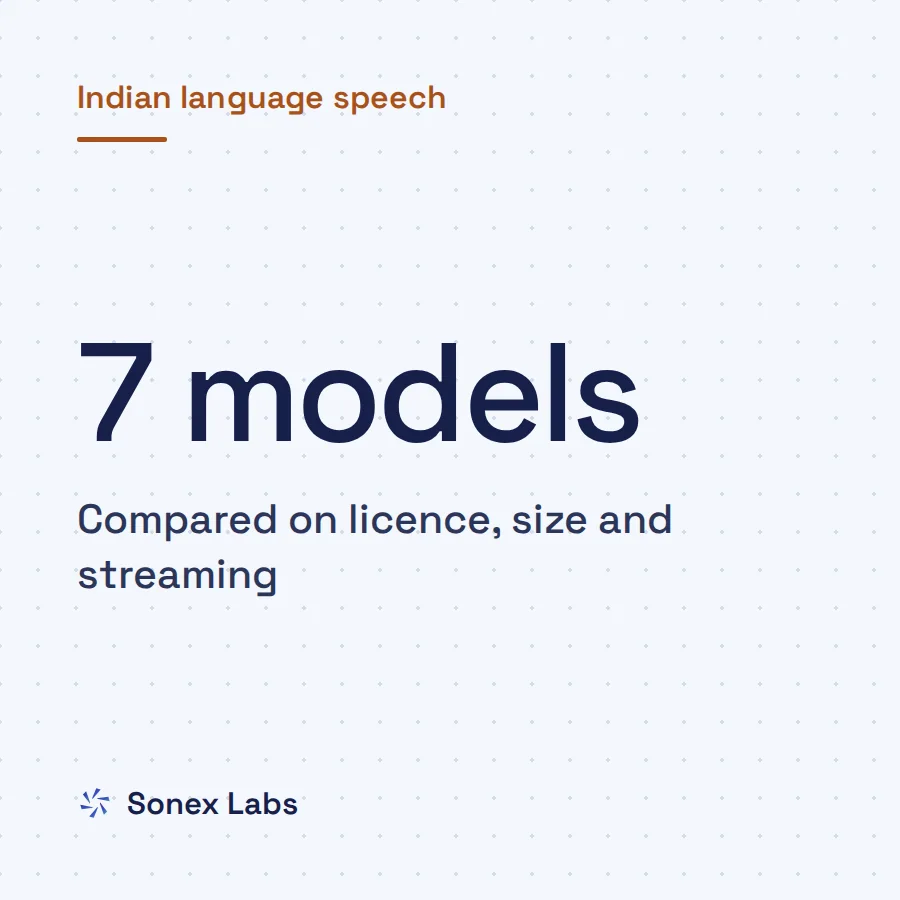
To choose a voice, testing Indic TTS on a phone line explains why published benchmarks miss what a caller hears and how to run your own test on a real call. Open-source Hindi TTS models compares what each model documents, starting with whether its licence allows commercial use.
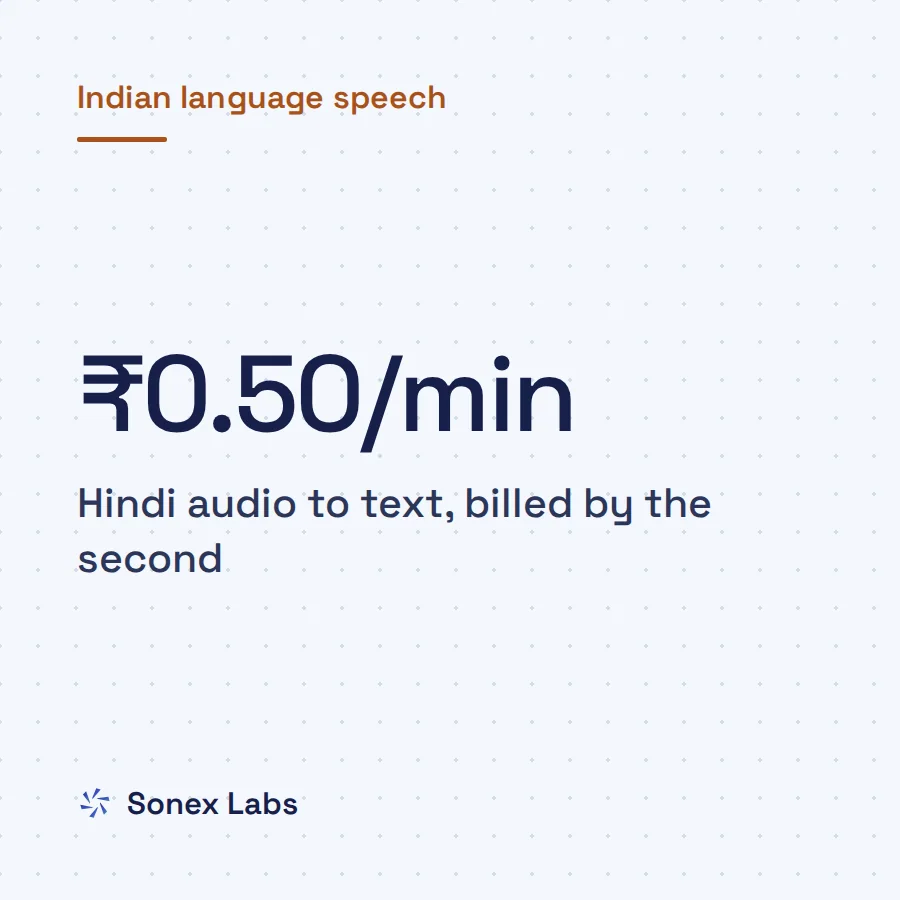
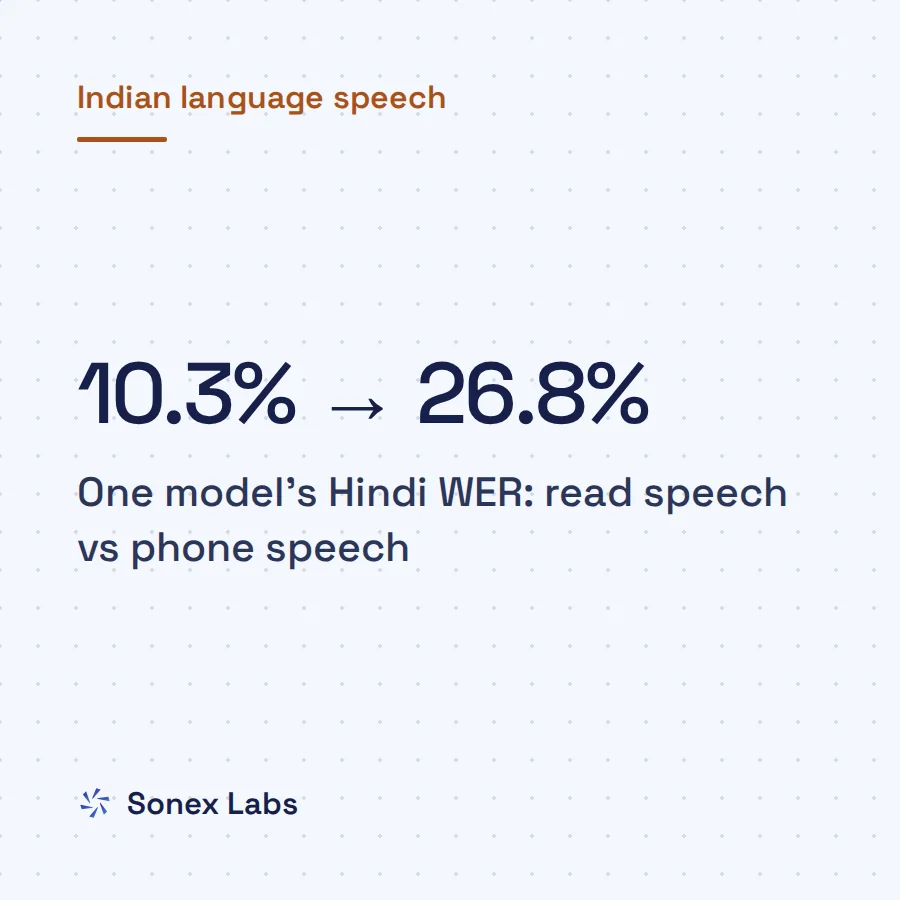
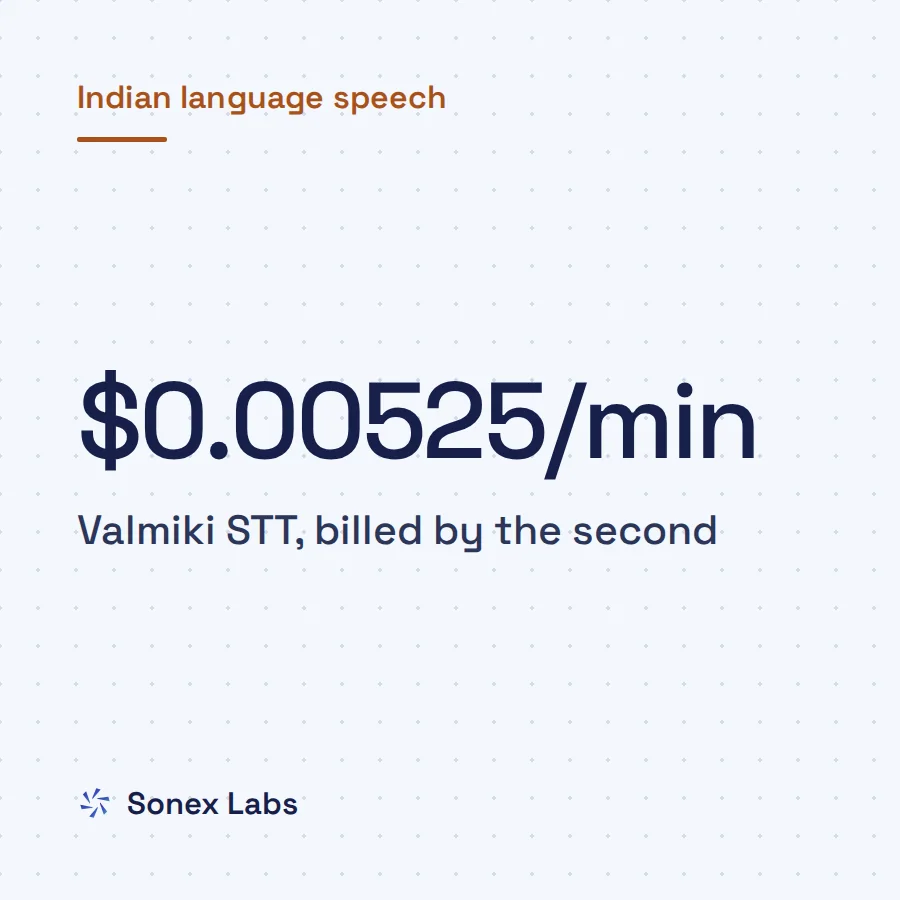
For speech to text, Hinglish STT on 8 kHz calls explains why Hindi accuracy figures disagree: in AI4Bharat's Vistaar benchmark, one model's word error rate rose from 10.3% on read speech to 26.8% on telephone speech. Hindi audio to text covers voice notes and recordings, and the speech-to-text API in Python shows file upload and live streaming with the Valmiki STT API, closing streams on silence because they are billed per second.
Hindi and Hinglish speech-to-text on 8 kHz calls: Devanagari vs Latin output and a fair WER test
How Hindi text to speech reads numbers: rupees, lakh and crore, dates, times and OTPs
Hinglish voiceovers that don't sound wrong: numbers, English words and accent drift
Indic TTS benchmarks and the phone line: how to measure what a caller hears
IVR prompt recording with TTS: Hindi and regional-language prompts at 8 kHz
Hindi and Indian-language speech-to-text API in Python
Open-source Hindi text to speech in 2026: licences, size, streaming and what to test before you choose
Building voice agents that follow the rules?
Sonex Labs voice agents speak 250+ languages, with calling windows, retry limits and recordings set per campaign.