World language speech
Most speech products are built English-first, and it shows in other languages: Arabic read without its short vowels, Hebrew guessed without niqqud, kanji given the wrong reading. These guides explain what goes wrong in each language and why, with audio samples, and what to check before you choose a voice or launch an agent.
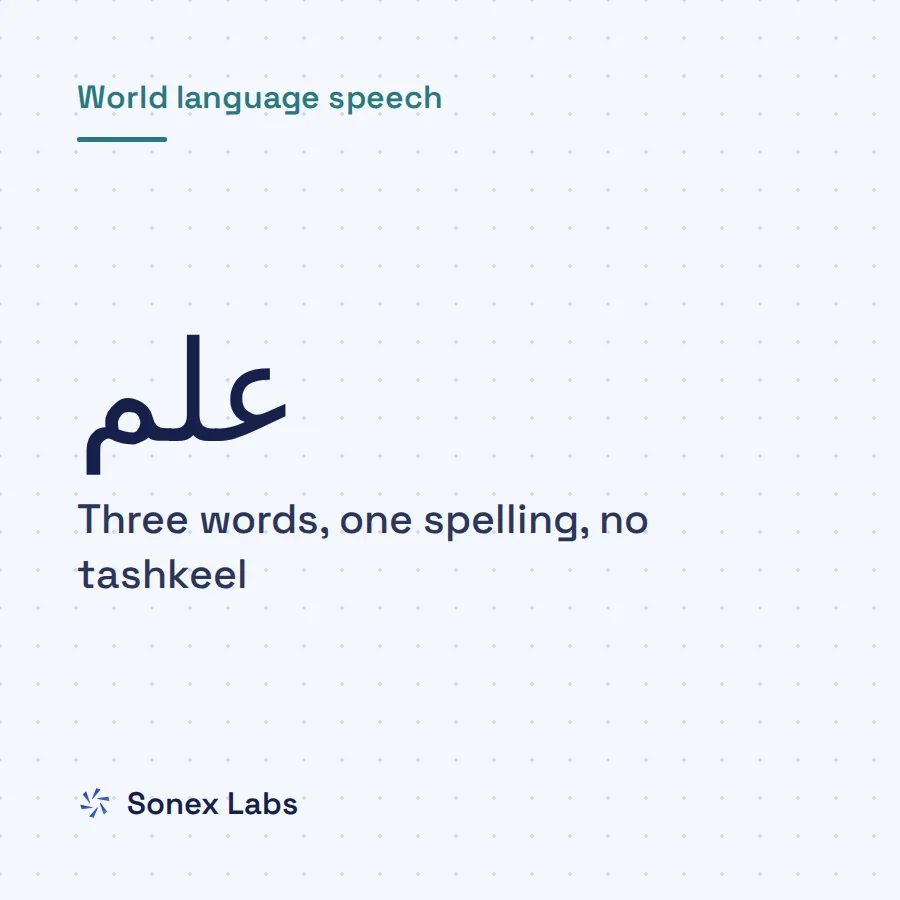
Arabic has three guides. Arabic dialects in text to speech plays one sentence in Modern Standard Arabic and nine dialects to show that the text decides the dialect and the voice decides the accent. Missing tashkeel explains the main cause of mispronunciation and why marking every vowel is not the answer, and Arabic numbers, prices and dates shows how to write amounts in words and name the currency rather than writing AED or SAR.
Hebrew and Japanese share the problem of a script that leaves the reading open, and both Hebrew without niqqud and Japanese kanji readings recommend marking only the ambiguous words. Farsi text to speech explains why Google offers almost no Persian voice and why spoken Persian differs from written Persian. Urdu voice agents for Pakistan cover Urdu script versus Roman Urdu and why speech recognition is where most agents fail, and Tagalog and Taglish covers writing Taglish scripts and the missing error rates for Taglish speech to text.
For agents that work in several languages, start with testing a multilingual voice agent: one language at a time, against the same matrix of greetings, numbers, dates, names, yes and no, switching and interruptions, on a real phone line with native speakers. Whisper's wrong-language guesses on short clips explain why one-word answers are the riskiest turns, a bilingual English-Spanish receptionist shows where a language switch breaks first, and cross-language voice cloning explains why a cloned voice keeps its accent in every language.
Tashkeel explained: why Arabic TTS mispronounces undiacritised text, and what voice agents should do
How Arabic TTS should read prices (AED/SAR), dates and phone numbers
Bilingual English-Spanish AI receptionist: what breaks when callers switch languages
Cloning your voice into another language: why the accent carries over, and when you want it to
Farsi text to speech: why Google has no built-in voice, and the alternatives
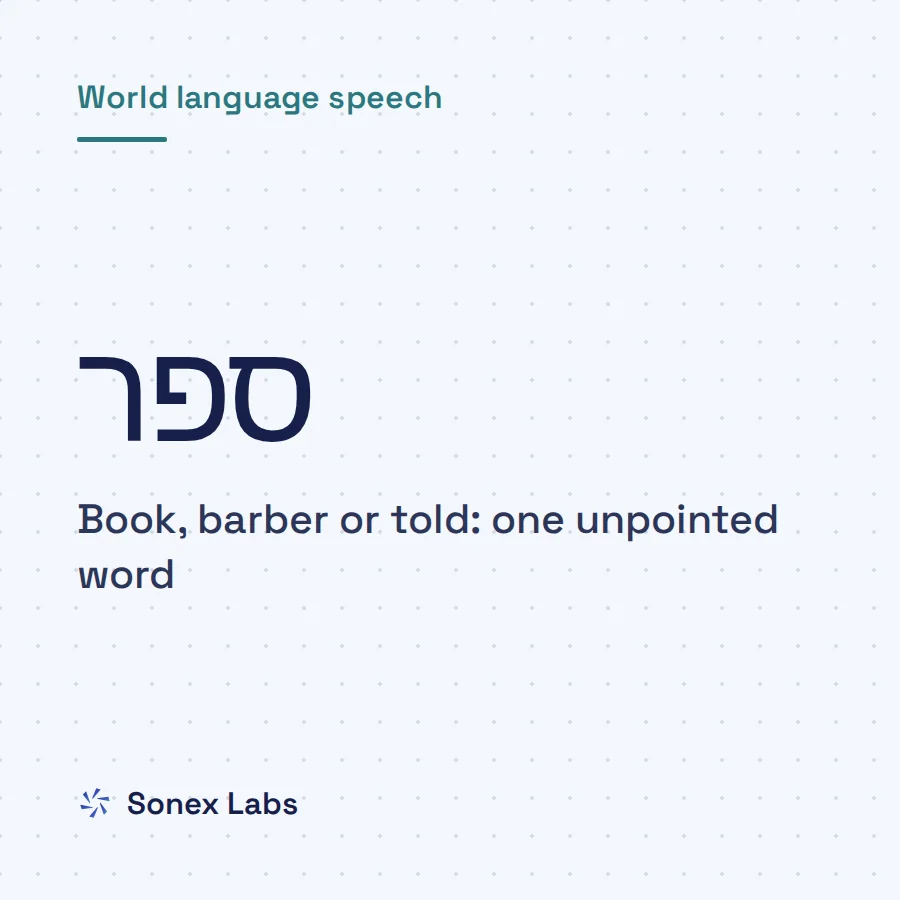
Hebrew TTS without niqqud: why words are mispronounced and how to fix it
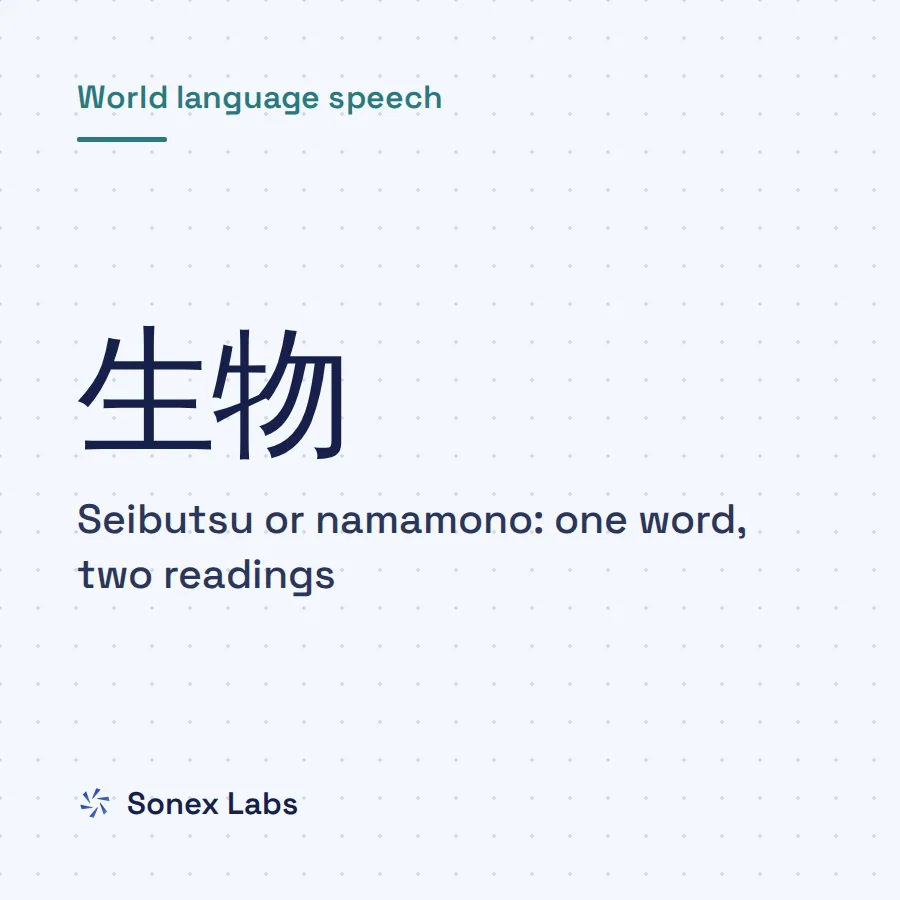
Japanese TTS reading kanji wrong: names, numbers and how to force a reading
Tagalog text to speech and Taglish speech to text for Philippine teams
How to test a multilingual voice agent before launch
Urdu AI voice agents for Pakistan, including Roman Urdu input
Why Whisper picks the wrong language on short clips, and how to stop it
Building voice agents that follow the rules?
Sonex Labs voice agents speak 250+ languages, with calling windows, retry limits and recordings set per campaign.