Global calling rules
If your voice agents call customers abroad, the rules of the country you call usually apply, not the rules where your company sits. Each market sets its own consent rules, calling hours and penalties, and an AI agent is generally held to the same rules as a human caller.
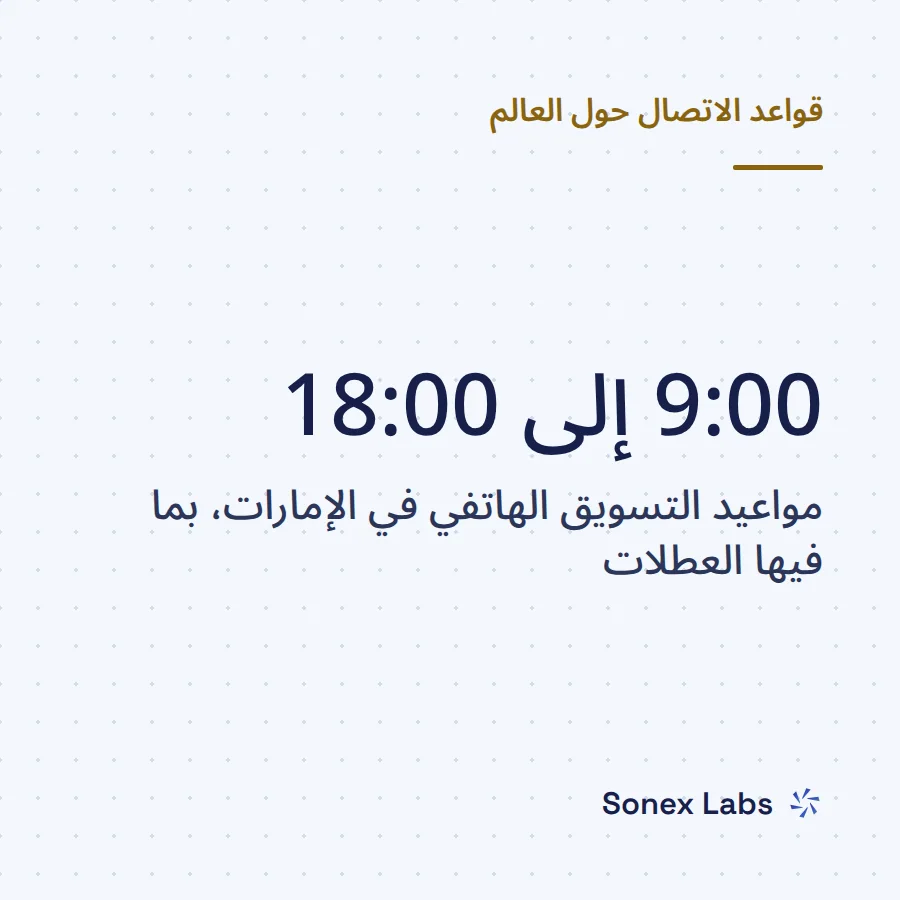
The UAE's telemarketing rules, also available in Arabic, expressly allow automated systems to make marketing calls on the same terms as a human caller: approval from the licensing authority, numbers registered to the licence, a Do Not Call Register check, calls between 9 am and 6 pm, and a recorded call that says so at the start. Each breach can be fined up to AED 150,000, and banks and insurers have followed stricter Central Bank rules since 31 March 2026.
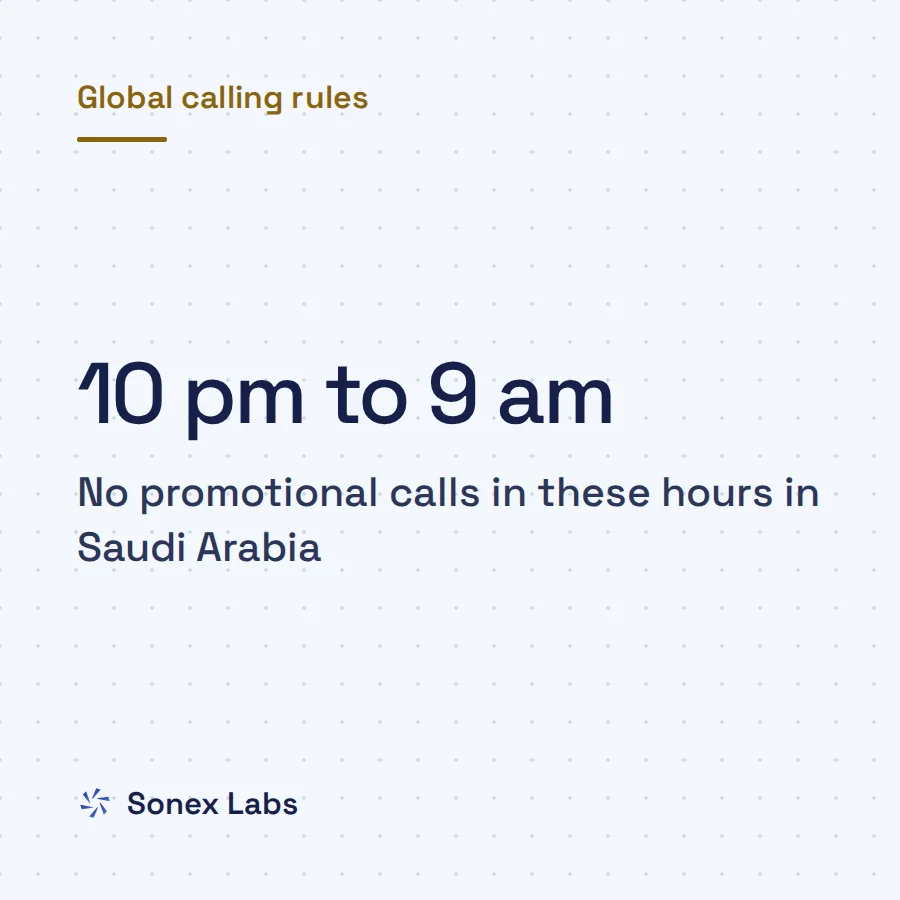
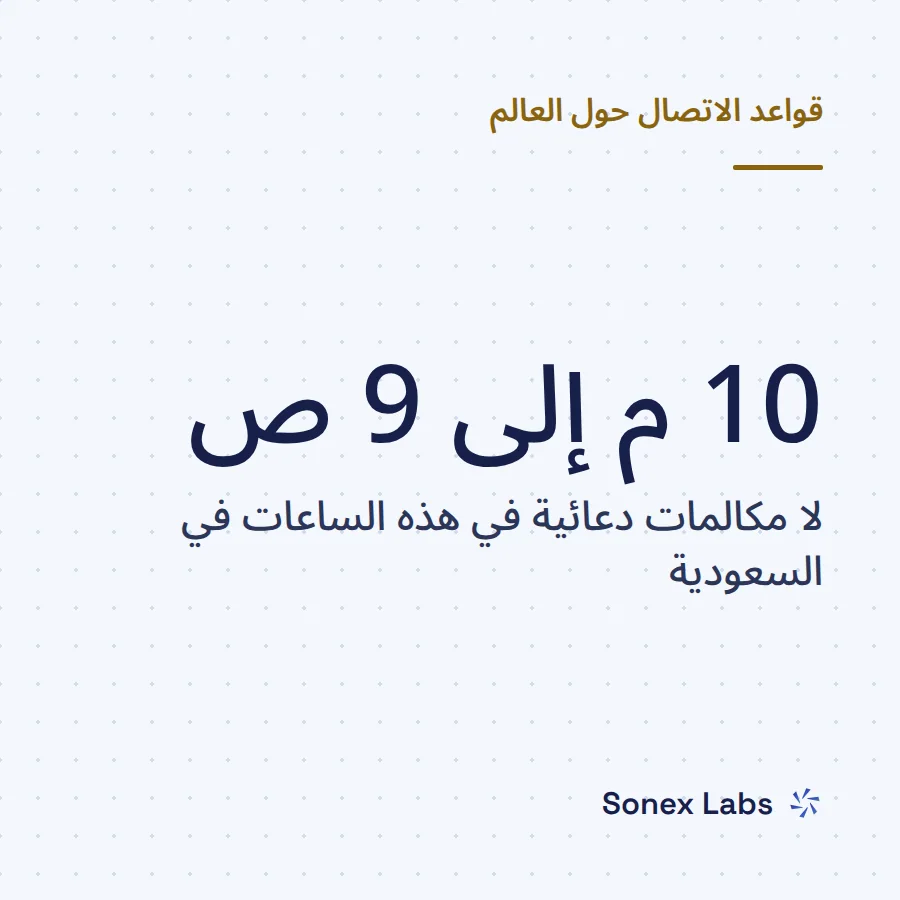
Saudi Arabia's rules for AI calls, also in Arabic, follow the same two rulebooks as a human caller. Promotional calls need express consent you can prove and may not be made from 10 pm to 9 am, and the Personal Data Protection Law treats every recording as personal data, with fines of up to SAR 5 million.
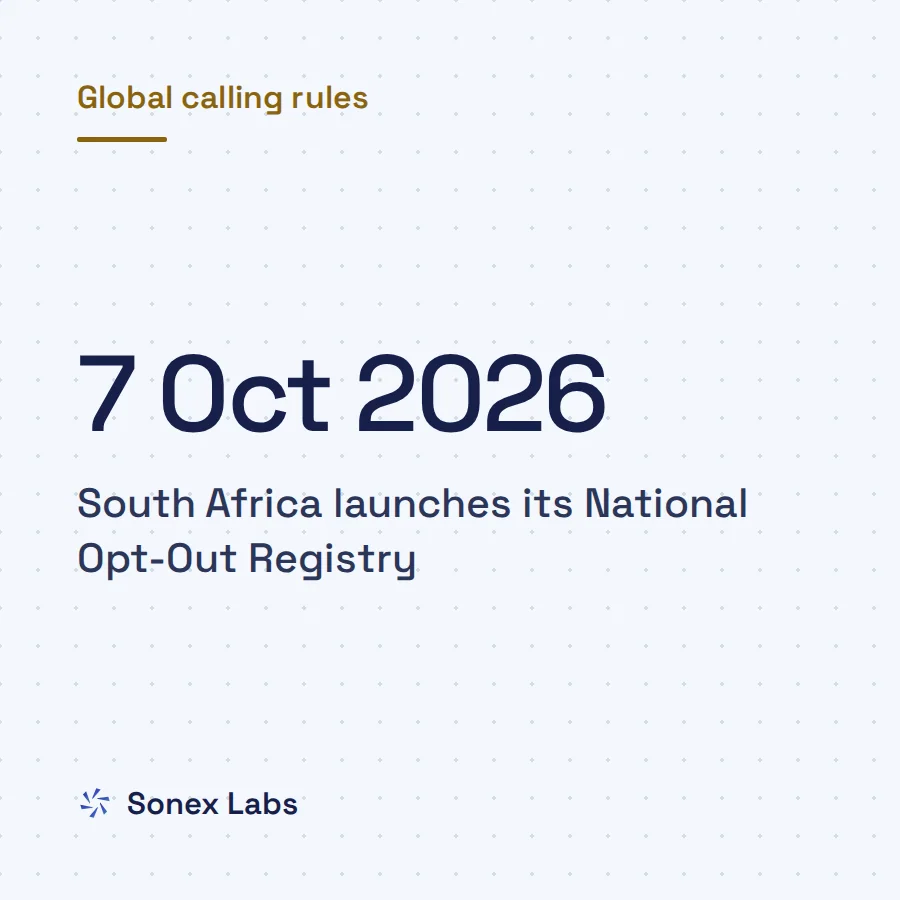
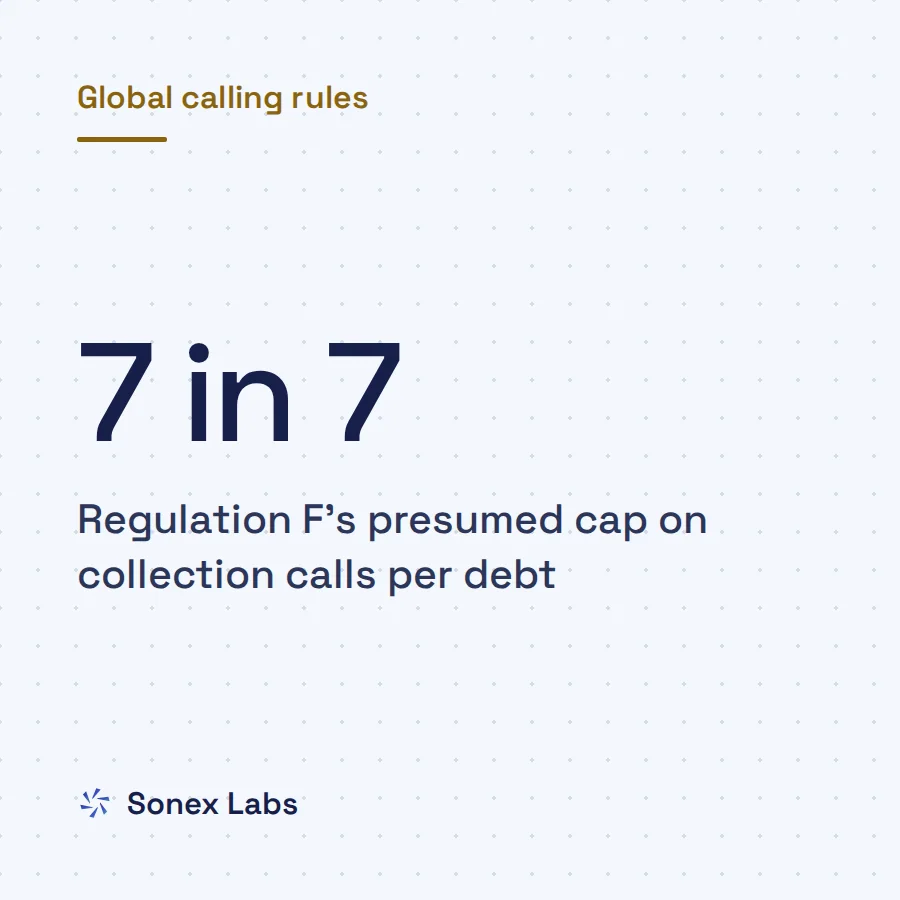
In the US, AI debt collection calls answer to Regulation F, which limits when and how often a collector calls, and to the TCPA, which treats an AI voice as an artificial voice, so calls to mobile phones need prior express consent. A vendor based in India is covered too. In Nigeria, Kenya and South Africa you need consent before an AI agent makes marketing calls, and you must act on an opt-out at once.
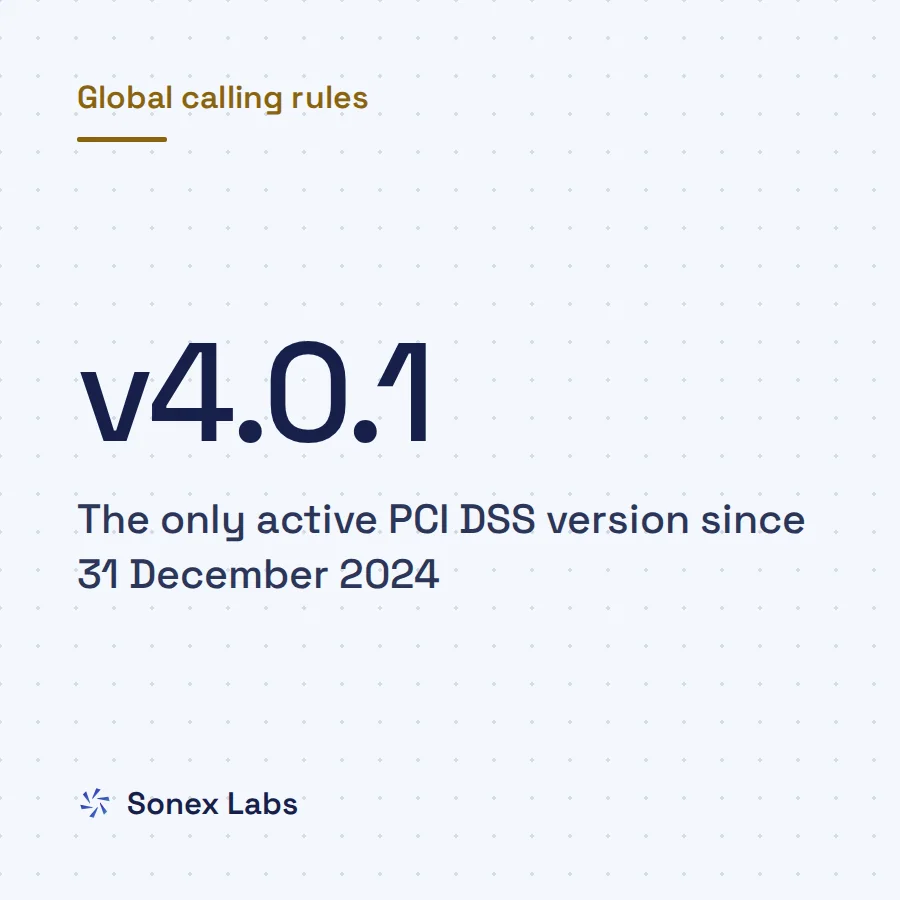
Wherever you call, if the agent takes a card payment, PCI DSS applies to the audio, transcript, logs and recording. The card security code must never be kept after authorisation, so the cleanest design keeps card digits away from the AI entirely.
AI direct marketing calls in Nigeria, Kenya and South Africa: consent and opt-out rules
AI debt collection calls in the US: Regulation F and the TCPA, for offshore and Indian teams
PCI DSS call recording requirements: taking card payments on AI voice calls
AI calls in Saudi Arabia: the PDPL and CST rules on consent, calling hours and recording
قانون التسويق الهاتفي في الإمارات: هل يمكن لوكلاء الذكاء الاصطناعي إجراء مكالمات البيع؟ شرح القواعد
قواعد الاتصال حول العالمالعربية
مكالمات الذكاء الاصطناعي في السعودية: قواعد نظام حماية البيانات الشخصية وهيئة الاتصالات للموافقة وأوقات الاتصال والتسجيل
قواعد الاتصال حول العالمالعربية

Building voice agents that follow the rules?
Sonex Labs voice agents speak 250+ languages, with calling windows, retry limits and recordings set per campaign.